
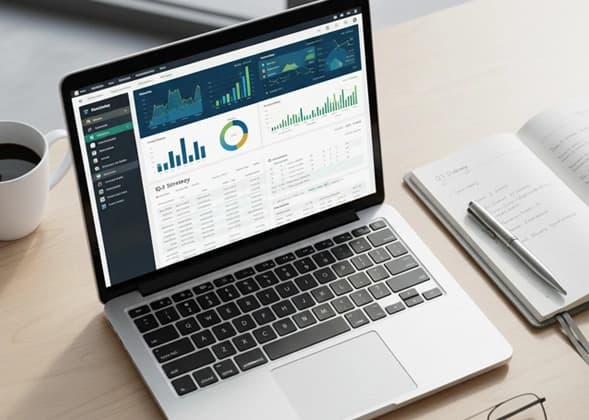
The rise of Virtual Bookkeeping Services is causing a significant change in the financial management landscape in the fast-paced world of modern business. This ground-breaking method uses technology to improve and streamline conventional bookkeeping procedures, giving businesses a flexible, affordable, and effective alternative. We dive into the complexities of Virtual Bookkeeping Services, looking at their definition, essential elements, benefits, difficulties, and their overall impact on businesses.
How Virtual Bookkeeping Services Work?
With Virtual Bookkeeping, an organization’s financial records are managed remotely through digital tools and technologies. This shift from traditional, on-premise bookkeeping techniques allows businesses to work with remote teams, access real-time financial data, and use automation to improve efficiency and accuracy. Software platforms such as Xero, FreshBooks, and QuickBooks serve as the foundation of online bookkeeping.
These cloud-based solutions enable secure storage, easy access, and instant communication. Routine tasks like data entry, reconciliation, and reporting are automated with the support of artificial intelligence and machine learning. This reduces errors and speeds up financial data processing. Data security protocols play a major role in Virtual Bookkeeping Services. Strong user authentication procedures, secure connections, and advanced encryption protect the confidentiality of financial information.
Is Virtual Bookkeeping Services Worth It
Virtual Bookkeeping Services improve both quality and flexibility. Hiring a virtual bookkeeper helps maintain accurate records and accounting statements. Employees can then focus on tasks that require greater attention. These services contribute to higher business productivity and support the integration of new staff, technology, accessibility, and financial systems. Instead of concentrating on accounting tasks, businesses can focus on growth and goal achievement.
Virtual Bookkeeping also enhance data security. Accounting cloud platforms store data safely, protecting it from theft and fraud. Since documents are accessible online, they do not require physical storage space. Office paperwork is reduced, and financial records can be accessed by owners or employees from any location. This improves efficiency and balance sheet management. They are also more affordable than conventional bookkeeping services.
Many people believe that virtual accountants and virtual accounting services are unreliable and need to produce accurate work. However, obtaining a supervised virtual account and services requires thorough research. Virtual accounting services make a better choice because they are very reasonably priced and readily accessible, even if you and your virtual accountant are in different time zones. Put differently, online bookkeeping services are always accessible. Virtual bookkeeping software and online bookkeeping clouds allow you to monitor all transactions and records from any location. Significant financial savings are possible when comparing virtual bookkeeping services to traditional accounting services.
Benefits of Virtual Bookkeeping Services for Businesses
You have total access to all of the transactions made using these services in addition to your account. Reconciling bank accounts is simple when using virtual services. Furthermore, because of their reasonable costs, virtual bookkeeping services are a better choice for startups and small businesses as they provide financial support. It is also possible to manage cash flow and payroll using their basic bookkeeping services.
Virtual bookkeeping services facilitate easy management and organization of account records. The main drawback is that in-person meetings cannot be held with virtual accounting services. Virtual accountants and business owners must communicate with one another via virtual meetings and other similar platforms. It might not be the best choice for small businesses or other companies if someone feels uneasy using virtual bookkeeping because there are no in-person meetings. However, virtual accounting services are the best choice for you if you don't mind holding meetings virtually and would like to save money on accounting services.
Challenges
Although Virtual Bookkeeping Services offer many advantages, certain challenges exist. One major concern is exposure to data security risks. Managing financial records remotely requires strong cybersecurity measures to protect sensitive information from online threats. As reliance on digital tools and cloud-based platforms increases, continuous vigilance is necessary to prevent data breaches and unauthorized access.
Maintaining compliance with industry regulations and data protection laws adds another level of complexity. Another challenge is the need for specialized expertise among virtual bookkeeping professionals. Businesses must invest in training to ensure staff members are skilled in using accounting software and managing digital financial systems. Addressing these challenges requires a strategic approach that combines technology safeguards with regulatory compliance.
Conclusion
Virtual Bookkeeping Services represent a major shift in financial management by offering efficiency, accuracy, and flexibility. Although challenges related to data security and expertise remain, proactive strategies and ongoing technological advancements help address these issues. As businesses continue embracing digital transformation, Virtual Bookkeeping are shaping the future of financial management and supporting long-term business growth.
FAQs
1. What are the responsibilities of a virtual accountant?
Virtual accountants manage a company’s books, accounts, and transactions remotely. They maintain accurate records that are available for review at any time and from any location. They also handle bank documentation and ensure financial records remain up to date through secure online portals.
2. Are virtual services popular?
Yes, the demand for Virtual Bookkeeping Services continues to grow. Many businesses, including small startups, prefer virtual accounting solutions because of their affordability and accessibility.